

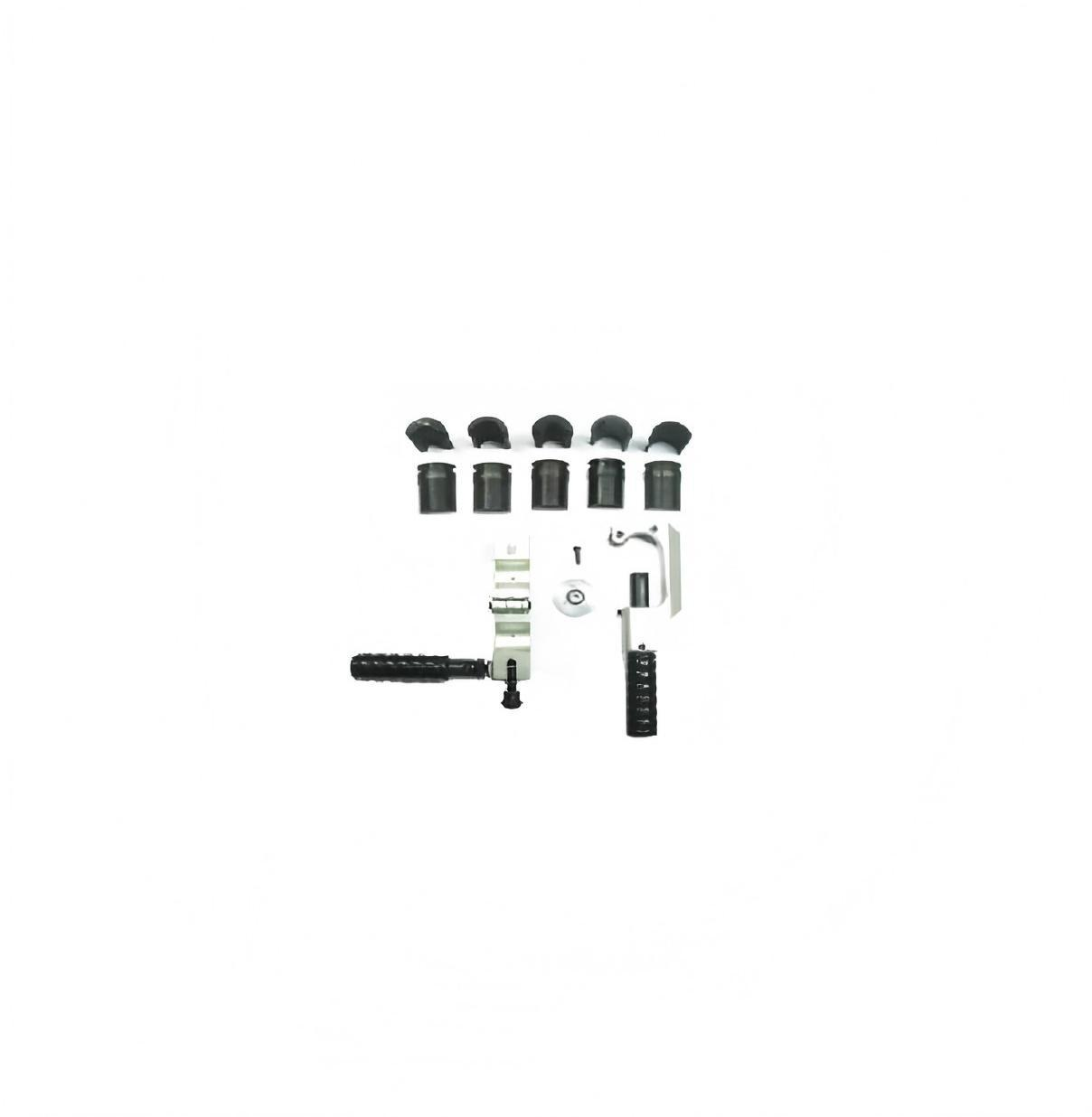
The line-laying pulley is a kind of mechanical equipment widely used in various hoisting operations. Due to its simple structure, flexible operation and strong load-bearing capacity, it plays an important role in many industries. It is mainly used for hoisting, towing, lifting and transporting heavy objects, and is especially suitable for operation scenarios that require precise control and high efficiency. The following is a detailed analysis of some main items suitable for hoisting by the line laying pulley and their application scenarios.
1. Building materials
On construction sites, line laying hoists are often used to hoist various building materials, such as steel bars, precast cement slabs, steel structure components, pipes, etc. These materials are usually quite heavy and need to be precisely placed in the designated positions. The line laying pulley can efficiently and safely hoist these materials to high-rise buildings or specific locations through its flexible pulley system and stable load-bearing capacity, thereby greatly improving construction efficiency.
- Steel bars and steel structures: In the construction of high-rise buildings or Bridges, the hoisting of steel bars and steel structure components is a crucial step. The line-laying pulley can easily lift these heavy materials and ensure their stability in the air, avoiding safety hazards caused by shaking or tilting.
- Cement precast slabs: Cement precast slabs are typically used in the construction of walls or floor slabs, and they are relatively heavy and large in volume. The line-laying pulley can smoothly hoist it to the designated position, reducing the labor intensity of manual handling.
- Piping: In the water supply and drainage system or HVAC system of construction sites, piping installation is a crucial step. The line-laying pulley can be used to hoist long and heavy pipes and precisely place them at the predetermined positions.
2. Mechanical equipment
In industrial production and equipment installation, the wire laying pulley also plays a significant role. It is often used for hoisting various mechanical equipment, such as motors, compressors, generators, machine tools, etc. These devices are usually quite heavy and have high requirements for stability and accuracy during the hoisting process.
- Motors and generators: These devices are usually heavy and have precise internal structures. During hoisting, violent shaking should be avoided. The line-laying pulley can ensure the safe hoisting of equipment into place through its stable load-bearing capacity and precise control system.
- Compressor: Compressors are important equipment in industrial production, usually heavy and large in size. The wire laying pulley can hoist it to the designated position, reducing the risk of manual handling.
- Machine tools: In factories, the installation and transportation of machine tools usually require the assistance of layout trolleys. Its stable load-bearing capacity and precise control system can ensure that the machine tool is not damaged during the hoisting process.
3. Large components
In fields such as shipbuilding, aerospace, and bridge construction, layout trolleys are often used to hoist large components, such as ship sections, aircraft parts, and bridge steel beams. These components are usually large in size and heavy in weight, and have extremely high requirements for stability and precision during the hoisting process.
- Hull section: In shipbuilding, the hoisting of hull sections is a crucial step. The line release pulley can smoothly hoist it into the dry dock and ensure its stability in the air, avoiding safety hazards caused by shaking or tilting.
- Aircraft components: In the aerospace field, the hoisting of aircraft components requires extremely high precision and stability. The line laying pulley can be used to hoist large components such as aircraft wings and fuselages, and ensure that they are not damaged during the hoisting process.
- Bridge steel beams: In bridge construction, the hoisting of steel beams is a crucial step. The line laying pulley can smoothly hoist it to the designated position and ensure its stability in the air, avoiding safety hazards caused by shaking or tilting.
4. Heavy equipment
In heavy industries such as mining, petroleum, and chemical engineering, line laying trolleys are often used to hoist various heavy equipment, such as excavators, drilling RIGS, and storage tanks. These devices are usually very heavy and have extremely high requirements for stability and safety during the hoisting process.
- Excavators and drilling RIGS: In mining and oil extraction, the hoisting of excavators and drilling RIGS is a crucial step. The line laying pulley can smoothly hoist it to the designated position and ensure its stability in the air, avoiding safety hazards caused by shaking or tilting.
- Storage tanks: In the chemical and petroleum industries, the hoisting of storage tanks is a crucial step. The line laying pulley can smoothly hoist it to the designated position and ensure its stability in the air, avoiding safety hazards caused by shaking or tilting.
5. Other application scenarios
In addition to the above-mentioned fields, the line-laying pulley is also widely used in other scenarios where heavy objects need to be lifted, such as logistics and warehousing, stage equipment installation, exhibition arrangement, etc.
Logistics and warehousing: In large warehouses, line release trolleys can be used to lift heavy goods such as mechanical equipment and large packaging boxes, thereby enhancing handling efficiency.
- Stage equipment installation: In large-scale performances or exhibitions, the hoisting of stage equipment requires precise control. The line-laying pulley can be used to hoist lighting, sound equipment, sets and other devices and ensure their stability in the air.
- Exhibition layout: In large-scale exhibitions, the line laying pulley can be used to hoist exhibits, exhibition stands, etc., and ensure their stability in the air to avoid safety hazards caused by shaking or tilting.
6. Precautions during the hoisting process
Although the line laying pulley has many advantages in hoisting operations, the following matters still need to be noted in the actual use process to ensure operation safety and equipment service life:
- Check the equipment condition: Before use, carefully inspect all components of the wire laying pulley to ensure they are in good condition and avoid potential safety hazards caused by equipment failure.
- Select lifting gear reasonably: According to the weight and volume of the lifted items, choose appropriate lifting gear, such as steel wire ropes and slings, to ensure stability during the lifting process.
- Control the hoisting speed: During the hoisting process, the hoisting speed should be well controlled to avoid the items shaking or tilting due to excessive speed.
- Adhere to safety regulations: During hoisting operations, relevant safety regulations must be strictly followed to ensure the safety of the operators and equipment.
Summary
As an efficient and flexible hoisting equipment, the line laying pulley is widely used in multiple fields such as construction, industry, aerospace, and mining. It can hoist various heavy and large items, such as building materials, mechanical equipment, large components, etc., and provide stability and accuracy during the hoisting process. However, in actual use, attention should still be paid to equipment inspection, lifting gear selection, speed control and other matters to ensure operation safety and equipment service life. By making rational use of the line laying pulley, the efficiency and quality of hoisting operations can be significantly improved, providing strong support for the development of all industries.