

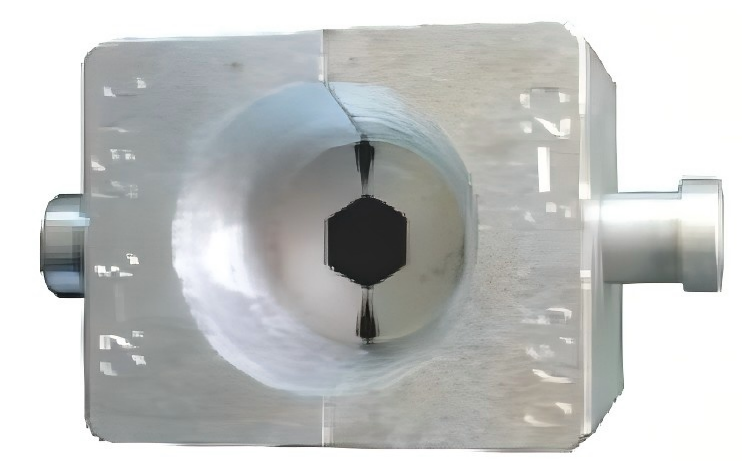
The function and method of the wire laying pulley
I. Basic Concepts of the Line Laying Pulley
The wire laying trolley is a specialized tool used for the construction and maintenance of power lines, mainly for operations such as laying out, pulling and tensioning conductors on high-voltage transmission lines or distribution lines. Through the combination of pulleys and ropes, it can effectively reduce the friction and resistance during the construction process, improve work efficiency, and ensure construction safety at the same time.
Ii. The Function of the Wire Laying Pulley
1. Reduce friction: During the process of wire laying, the friction between the wire and the ground or other obstacles will greatly increase the construction difficulty. The wire laying pulley, through the design of the pulley, can effectively reduce this friction force, allowing the wire to be laid out more smoothly.
2. Enhance work efficiency: The use of wire laying trolleys can significantly increase the speed and efficiency of wire laying. Compared with the traditional manual placement method, the pulley can significantly reduce the input of manpower and time, thereby accelerating the construction progress.
3. Ensure construction safety: In the construction of high-voltage transmission lines, safety is the primary consideration. The wire laying trolley, with its stable structure and reliable performance, can effectively prevent the wire from breaking or slipping during the laying process, ensuring the safety of construction personnel.
4. Adaptation to complex terrains: In mountainous areas, rivers and other complex terrains, traditional wire laying methods are often difficult to implement. Due to its flexibility and adaptability, the wire laying trolley can smoothly lay out the conductors in these complex terrains, ensuring the smooth progress of the construction.
5. Reduce wire damage: During the wire laying process, if the friction is too large or the operation is improper, it is easy to cause damage to the surface of the wire. The wire laying pulley, through its smooth pulleys and reasonable traction method, can effectively reduce the damage to the conductors and extend their service life.
Iii. Usage Method of the Wire Laying Pulley
1. Preparatory work
- Inspect the equipment: Before using the line laying pulley, a comprehensive inspection of all its components must be carried out to ensure that the pulleys, ropes, connecting parts, etc. are in good condition, without damage or looseness.
- Select an appropriate location: According to the construction requirements, choose a suitable installation position for the pulley to ensure that the pulley can smoothly pull the wire and avoid colliding with surrounding obstacles.
- Fixed pulley: Firmly fix the pulley to the support or tower to ensure that it does not move or tilt during the traction process.
2. Installation of wires
- Connect the wire: Pass one end of the wire through the pulley of the trolley and connect it to the traction rope. Make sure the connection is firm to avoid detachment during the traction process.
- Adjust the position of the pulley: According to the direction of the wire and the traction direction, adjust the position of the pulley to ensure that the wire can pass through the pulley smoothly and reduce friction.
3. Traction wire:
- Start the traction equipment: Use a traction machine or other traction equipment to slowly start the traction process to ensure that the wire can pass smoothly through the pulley.
- Monitor the traction process: During the traction process, construction personnel should closely monitor the direction of the conductors and the operating status of the pulley, and promptly identify and handle any abnormal situations.
- Adjust the traction speed: Based on the material of the wire and the construction environment, reasonably adjust the traction speed to avoid wire damage or trolley overload caused by excessive speed.
4. Tension the wire
- Fixing the conductors: After the conductors are laid out in place, use tensioning equipment to tighten them to ensure they meet the design requirements.
- Check the condition of the wires: During the tensioning process, inspect the tension and surface condition of the wires to ensure they are undamaged and meet the construction standards.
5. Closing Work:
- Disassemble the pulley: After the wire extension and tensioning are completed, remove the pulley from the support or tower frame and carry out cleaning and maintenance.
- Site clearance: Clear the construction site to ensure no debris is left behind, avoiding any impact on subsequent construction or the environment.
Iv. Precautions
1. Safety: When using the line laying pulley, it is essential to strictly follow the safety operation procedures to ensure the safety of the construction personnel.
2. Equipment Maintenance: Regularly inspect and maintain the line laying pulley to ensure it is in good condition and prevent construction accidents caused by equipment failure.
3. Reasonable operation: Based on the construction environment and the characteristics of the conductors, select and use the wire laying pulley reasonably to avoid equipment damage or construction delays caused by improper operation.
4. Teamwork: The use of the line laying pulley usually requires the collaboration of multiple people. Construction workers should maintain good communication and cooperation to ensure the smooth progress of the construction.
V. Summary
As an important tool for power construction, the wire laying trolley plays an irreplaceable role in operations such as wire laying, traction and tensioning. By making rational use of the wire laying pulley, not only can the construction efficiency be improved and the damage to the conductors be reduced, but also the construction safety can be effectively guaranteed. Therefore, mastering the correct usage method of the line laying pulley and strictly adhering to the relevant operating procedures are of great significance for ensuring the smooth progress of power line construction.