

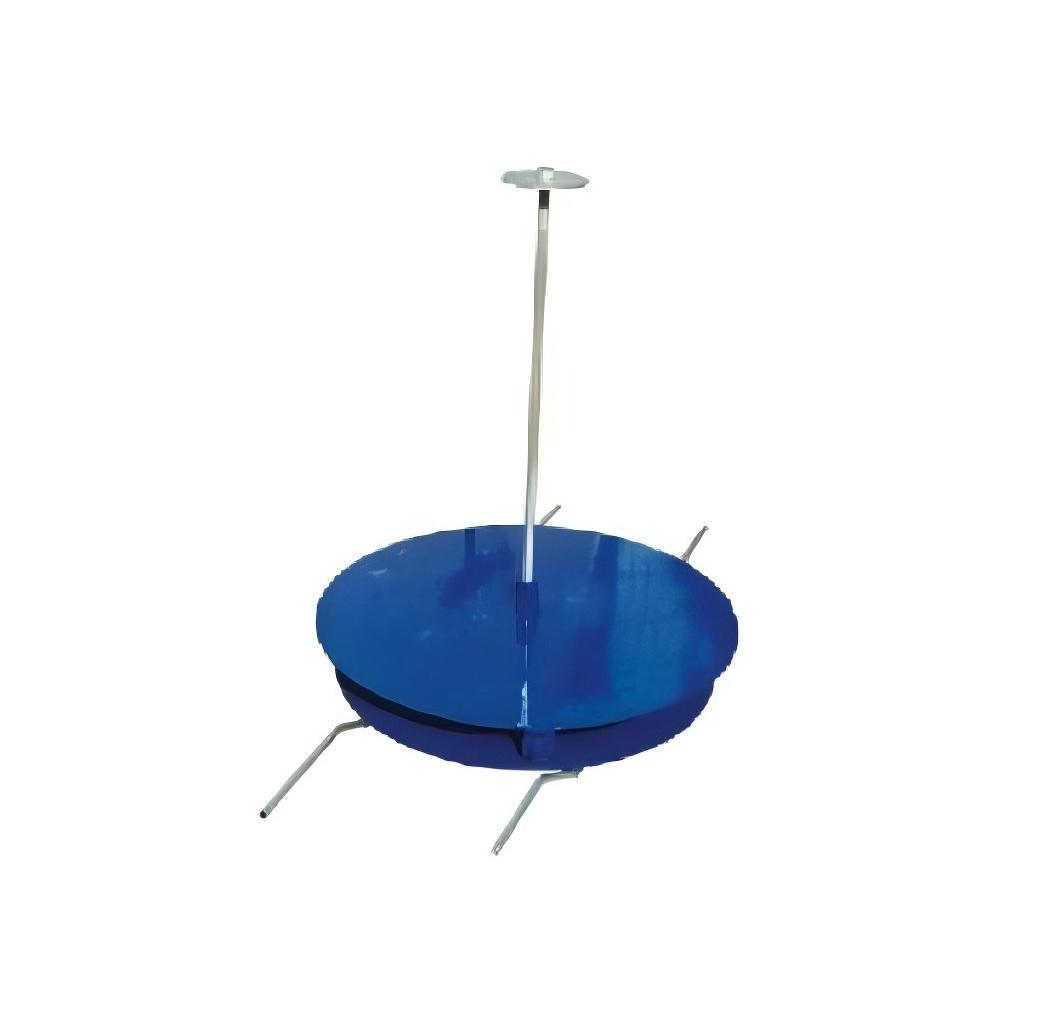
How to use a wire laying pulley for handling
The line-laying pulley is a widely used lifting tool in industries such as power, communication, and construction, mainly for transporting and towing heavy objects. Through the coordination of pulley blocks and ropes, it can effectively reduce the burden on human labor, improve work efficiency, and ensure the safety of the handling process at the same time. This article will provide a detailed introduction on how to use a wire laying pulley for material handling, including the preparatory work, operation steps, and precautions.
---
I. Preparatory Work
Before using the wire laying pulley for handling, thorough preparations must be made to ensure the safety and efficiency of the operation.
1. Select the appropriate wire laying pulley
According to the requirements of the handling task, select the appropriate model of the wire laying pulley. The main considerations are as follows:
- Rated load of the pulley: Ensure that the load-bearing capacity of the pulley is greater than the actual handling weight.
- Length and diameter of the rope: Select the appropriate rope based on the handling distance and weight.
- Number of pulleys: Single pulley, double pulley or multi-pulley pulleys are suitable for different scenarios.
2. Check the status of the equipment
Check whether the pulleys, bearings, hooks and other components of the pulley are intact and undamaged, and ensure there are no cracks, deformations or wear.
Check if the rope has any broken strands, wear or corrosion. Replace it with a new one if necessary.
Ensure that the braking device of the pulley (such as the brake) is functioning properly.
3. Determine the transportation route
Plan the transportation route to ensure that there are no obstacles along the way and the ground is flat and stable.
If the handling distance is long, intermediate support points should be set up or multiple pulleys should be used in relay.
4. Prepare auxiliary tools
Personal protective equipment such as safety belts, gloves and safety helmets.
Fixing devices (such as ground anchors and brackets) are used to fix the pulley.
Traction equipment (such as manual winches or electric winches) is used to pull the rope.
5. Safety assessment
Assess the dangers of the handling tasks and formulate emergency response plans.
Ensure that the operators have received professional training and are familiar with the usage methods and safety regulations of the pulley.
---
Ii. Operating Steps
1. Fixed pulley
Install the trolley on a stable support point (such as a steel structure, bracket or ground anchor) to ensure it can withstand the tensile force during the handling process.
Use fixing devices (such as bolts or hooks) to firmly secure the pulley to the support points.
2. Install the rope
Pass the rope through the pulley block of the pulley car to ensure that the rope is smooth and free of entanglement.
If a multi-pulley pulley is used, the rope should be threaded correctly along the designed path of the pulley.
3. Connect heavy objects
Use appropriate lifting gear (such as hooks or slings) to connect the heavy object to the rope.
Make sure the connection points are firm to prevent heavy objects from falling off during handling.
4. Start moving
The operator stands in a safe position and slowly pulls the rope to gradually lift or move the heavy object.
If traction equipment is used, start the equipment and control the speed to ensure a smooth handling process.
5. Adjust the direction
If it is necessary to change the handling direction, it can be achieved by adjusting the position of the pulley or using a steering pulley.
Make sure that the rope does not come off the pulley during the adjustment process.
6. Complete the moving
After placing the heavy object at the target position, slowly release the rope to ensure the object lands smoothly.
Disassemble the pulley and rope, organize the equipment and store it properly.
---
Iii. Precautions
"1. Safety
During the operation, all personnel must wear safety protective equipment.
Avoid standing or walking under the pulley to prevent heavy objects from accidentally falling.
2. Control the load
Overloading the pulley is strictly prohibited; otherwise, it may cause equipment damage or safety accidents.
If the weight being moved is close to the rated load of the pulley, it is recommended to use multiple pulleys to share the weight.
3. Check the condition of the rope
During the handling process, keep a close eye on the condition of the rope at all times. Stop the operation immediately if any wear or abnormality is detected.
Avoid contact of the rope with sharp objects to prevent cuts.
4. Smooth operation
During the handling process, avoid sudden acceleration or abrupt stops to prevent the heavy object from shaking or the rope from breaking.
If electric equipment is used, the speed must be well controlled to ensure smooth operation.
5. Environmental factors
In bad weather conditions such as strong winds, rain and snow, try to avoid using a pulley to move heavy objects.
If operation must be carried out in a complex environment, additional safety measures should be taken.
6. Regular maintenance
After use, clean the pulley and rope in a timely manner, check the equipment condition and carry out necessary maintenance.
Regularly conduct professional inspections on the pulley to ensure that its performance meets safety standards.
---
Iv. Common Problems and Solutions
1. The rope is slipping
- Cause: Poor contact between the rope and the pulley or wear of the pulley.
Solution: Check the condition of the pulley and replace it or the rope if necessary.
2. The pulley cannot be fixed
- Cause: Unstable support points or loose fixing devices.
Solution: Reselect the support points and ensure that the fixing device is firmly fixed.
3. Heavy objects are shaking
- Reason: The operation speed is too fast or the length of the rope is inappropriate.
Solution: Reduce the operating speed and adjust the length of the rope to keep the heavy object stable.
4. The pulley is stuck
Cause: Damage to the pulley bearing or entanglement of the rope.
Solution: Inspect the pulley bearings, clean the ropes and reinstall them.
---
V. Summary
The wire laying trolley is an efficient and safe handling tool, but its use must strictly follow the operating procedures and safety regulations. Through thorough preparatory work, correct operation procedures and meticulous precautions, the smooth completion of the handling task can be ensured, while minimizing safety risks to the greatest extent. In actual operation, operators should always remain vigilant, constantly check the status of the equipment, and ensure that the handling process is flawless.