

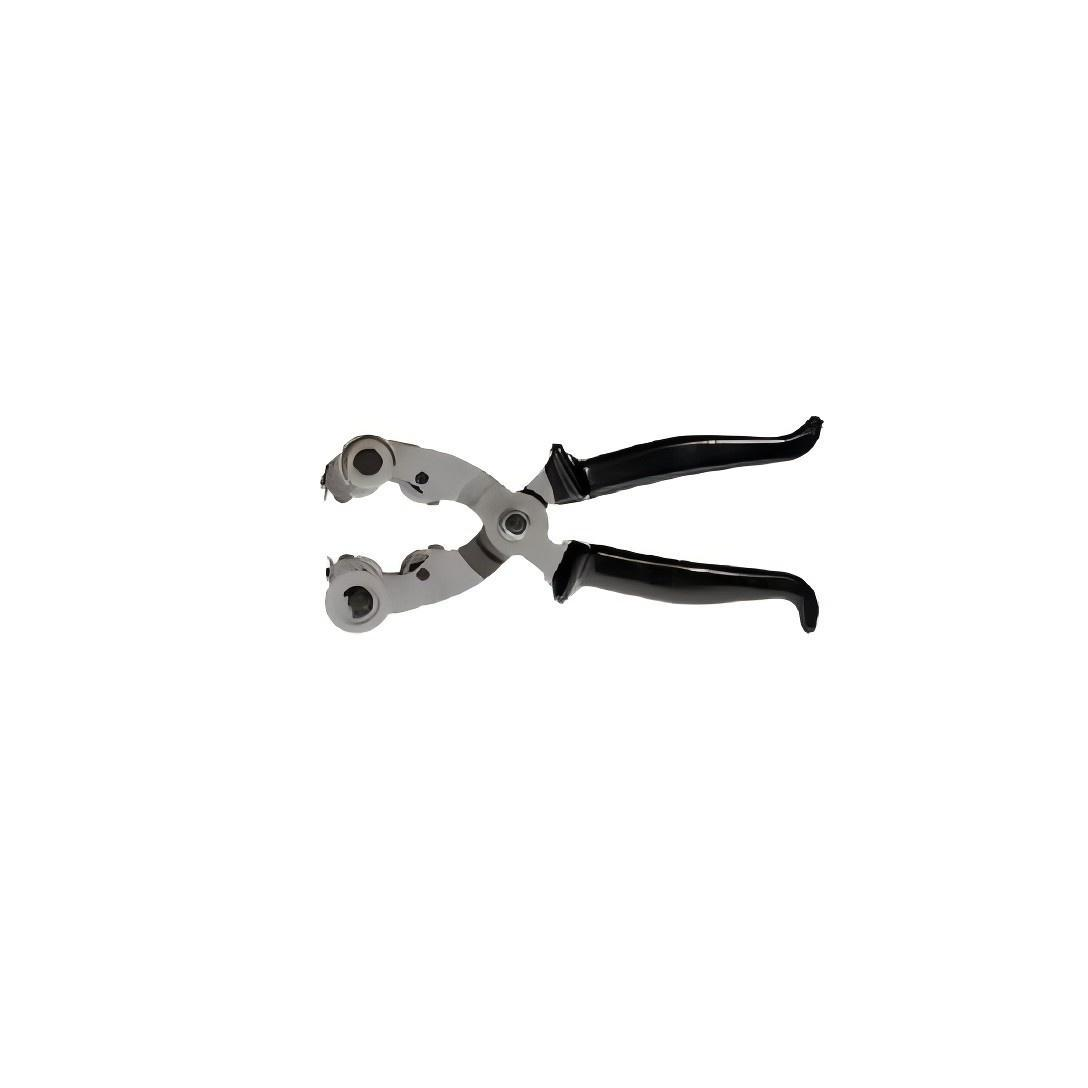
The wire laying trolley is an important tool in the construction and maintenance of power lines, mainly used for the laying, pulling and protection of conductors. According to the differences in their uses, structures, materials and functions, wire laying trolleys can be classified into various types. The following is a detailed introduction to the classification of wire laying trolleys:
---
I. Classification by purpose
1. Wire laying trolley
It is mainly used for the extension and traction of conductors in the construction of transmission lines. Wire laying trolleys usually have large wheel diameters and high load-bearing capacities, which can meet the wire laying requirements of different specifications.
- Single-wheel trolley: Suitable for the extension of a single wire, it features a simple structure and convenient operation.
- Multi-wheel pulley: Suitable for the laying of multi-split conductors, it can lay multiple conductors simultaneously, improving construction efficiency.
2. Ground wire laying trolley
It is specifically used for the laying of ground wires (lightning protection wires). Since the diameter and weight of the ground wire are usually smaller than those of the conductor, the wheel diameter and load-bearing capacity of the ground wire laying trolley are relatively small, but it still needs to have good wear resistance and stability.
3. Optical cable laying trolley
It is used for the deployment of optical fiber composite ground wires (OPGW) or ordinary optical cables. Optical cable pulleys are usually designed with special wheel groove structures to reduce wear on optical cables and ensure that they are not damaged during the laying process.
4. Traction pulley
It is mainly used for pulling wires or ground wires, and is usually installed on a traction machine or tensioning machine as a device for transmitting traction force. The traction pulley needs to have high strength and wear resistance to withstand a large traction force.
---
Ii. Classification by structure
1. Single-wheel pulley
It has a simple structure and is suitable for the extension of a single wire or ground wire. Single-wheel pulleys are usually light in weight, making them convenient for transportation and installation, but they are less efficient in the construction of multi-split conductors.
2. Two-wheel pulley
It is composed of two pulleys and is suitable for the extension of double-split conductors. The double-wheel pulley can simultaneously lay out two wires, improving construction efficiency and reducing the mutual friction of the wires at the same time.
3. Multi-wheel pulley
Composed of three or more pulleys, it is suitable for the extension of multi-split conductors. Multi-wheel pulleys can simultaneously lay out multiple conductors and are suitable for the construction of large-capacity transmission lines.
4. Suspended pulley
It is fixed on the tower or support through the suspension device and is suitable for high-altitude operations. Suspended pulleys are usually designed with anti-disengagement devices to ensure construction safety.
5. Floor-standing pulley
It can be directly placed on the ground or a bracket, and is suitable for low-altitude operations or ground towing. The floor-standing pulley has a stable structure and is easy to operate and maintain.
---
Iii. Classification by material
1. Steel pulley
Made of high-strength steel, it features high load-bearing capacity and wear resistance, and is suitable for the extension of large-sized wires or ground wires. Steel pulleys are relatively heavy, but they have a long service life.
2. Aluminum alloy pulley
It is made of lightweight aluminum alloy, which is relatively light in weight and convenient for transportation and installation. Aluminum alloy pulleys are suitable for the laying of medium and small-sized conductors or ground wires, but their load-bearing capacity is relatively low.
3. Nylon pulley
The pulley is made of nylon material, which has good wear resistance and impact resistance. Nylon pulleys are suitable for the laying of optical cables or small-sized conductors and can effectively reduce the wear and tear on the cables.
4. Composite material trolley
It is made of high-strength composite materials and features both lightweight and high strength. The composite material pulley is suitable for the laying of various cables and has good corrosion resistance.
---
Iv. Classification by Function
1. Ordinary pulley
It only has the basic function of wire extension, has a simple structure and is suitable for conventional construction scenarios.
2. Anti-twist skid car
It is designed with an anti-twist device, which can prevent the wire from twisting during the extension process and is suitable for construction over large spans or in complex terrains.
3. Tension pulley
It is used for tension wire laying construction, capable of withstanding considerable tension, and is suitable for the laying of large-sized conductors or ground wires.
4. Steering block
It is used to change the traction direction of the conductor and is usually installed on corner towers or special positions to ensure the smooth extension of the conductor.
5. Protect the pulley
It is designed with special wheel grooves or pads to protect the wires or optical cables from damage during the laying process.
---
V. Classification by Usage Environment
1. Conventional pulley
It is suitable for construction under ordinary terrain and climatic conditions, and has basic wear resistance and load-bearing capacity.
2. Cold-resistant pulley
Made of special materials and through special processes, it can be used normally in low-temperature environments and is suitable for construction in extremely cold regions.
3. Corrosion-resistant pulley
Made of corrosion-resistant materials, it is suitable for construction in coastal areas or high-humidity environments.
4. Large-span trolley
It is designed with a special structure and function, suitable for construction over large spans or in complex terrains, and capable of withstanding considerable tension and impact force.
---
Vi. Classification by Installation Method
1. Fixed pulley
It is installed on the tower or support through bolts or other fixing devices and is suitable for long-term construction scenarios.
2. Portable trolley
It is designed with a lightweight structure and a quick-installation device, making it convenient to carry and use temporarily. It is suitable for short-term construction or maintenance work.
---
Summary
The classification of line laying trolleys is diverse, and different types of trolleys are suitable for different construction scenarios and requirements. In practical use, the appropriate pulley should be selected based on factors such as wire specifications, construction environment, and functional requirements to ensure the smooth progress of construction and the safety protection of cables. With the continuous development of power construction technology, the design and functions of line laying trolleys are also constantly being optimized to meet more complex and diverse construction requirements.