

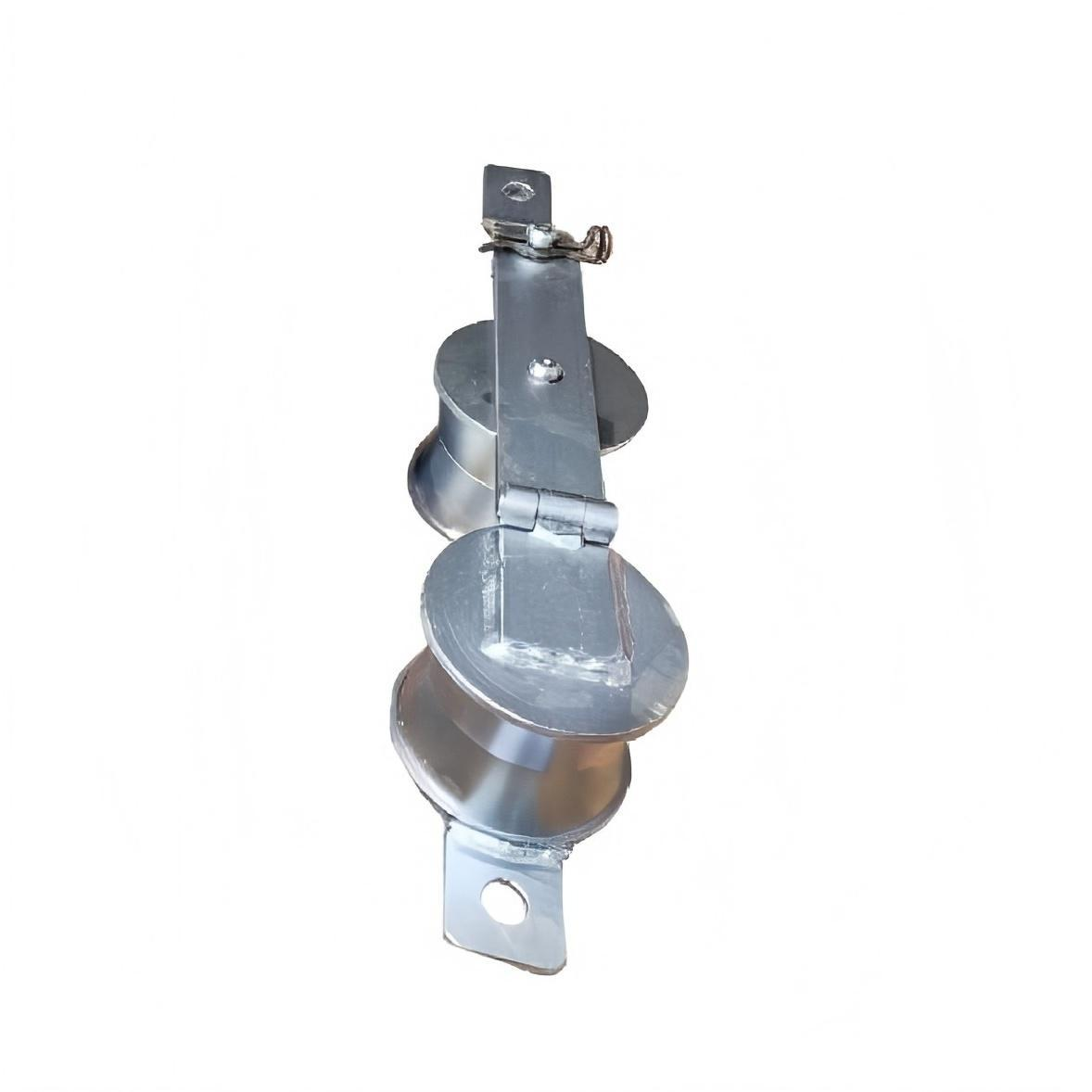
The crane trolley is a common type of lifting equipment, widely used in construction sites, factories, docks and other places for hoisting and transporting heavy objects. Because its operation involves the lifting and moving of heavy objects, if not handled properly, it may lead to serious safety accidents. Therefore, it is of vital importance to master the safety operation norms of the crane trolley. The following is a detailed guide for the safe operation of crane trolleys:
1. Preparations before operation
1.1 Equipment Inspection
Before operating the crane trolley, a comprehensive inspection of the equipment must be carried out to ensure that it is in good condition. The inspection contents include:
- Steel wire rope: Check whether the steel wire rope has any signs of wear, broken wires, rust, etc., and ensure it is in good condition.
- Pulley: Check if the pulley rotates smoothly and if there are any cracks or deformations.
- Hook: Check the hook for cracks, deformations or wear to ensure it can firmly hold the heavy object.
- Braking system: Check whether the braking system is sensitive and reliable to ensure rapid braking in emergency situations.
- Fixing devices: Check whether the fixing devices of the hoisting iron trolley are firm to ensure that the equipment does not shift during operation.
1.2 Environmental Inspection
Before operation, it is also necessary to inspect the working environment to ensure the safety of the operation area
- Ground condition: Check if the ground is flat and solid to prevent equipment from tilting or toppling due to soft or uneven ground.
- Obstacles: Remove obstacles within the operation area to ensure that the crane trolley does not collide with other objects during operation.
- Weather conditions: In bad weather conditions (such as strong winds, heavy rain, heavy snow), the operation of the crane block should be avoided to prevent accidents.
1.3 Personnel Preparation
Personnel operating crane trolleys must undergo professional training and hold relevant operation certificates. Before operation, the operator should be familiar with the equipment's user manual and understand its working principle and operation method. In addition, operators should wear necessary personal protective equipment, such as safety helmets, safety shoes, gloves, etc.
2. Safety regulations during the operation process
2.1 Preparations Before Lifting
- Determine the lifting capacity: Before lifting, it is necessary to clearly define the weight of the lifted object to ensure that it does not exceed the rated lifting capacity of the crane trolley. Overloading operation may lead to equipment damage or accidents.
- Fixed lifting gear: Select the appropriate lifting gear (such as steel wire ropes, slings, etc.) and ensure it is firmly fixed to the lifted object. The fixed points of the lifting gear should be evenly distributed to prevent the lifted object from tilting or sliding.
- Test lift: Before the formal lifting, a test lift should be conducted. That is, slightly lift the lifted object off the ground to check the stability of the lifting gear, the hoisting iron pulley and the lifted object. In case of any abnormality, operation should be stopped immediately and adjustments made.
2.2 Lifting Operation
- Smooth lifting: When lifting, it should be carried out slowly and steadily, avoiding sudden acceleration or deceleration to prevent the lifted object from shaking or falling off.
- Monitor the lifting process: Operators should monitor the entire lifting process to ensure that the lifted object does not collide with other objects during its movement. In case of any abnormal situation, operation should be stopped immediately.
- Maintain communication: In situations where multiple people collaborate, operators and ground command personnel should maintain smooth communication to ensure that command signals are clear and accurate.
2.3 Moving and Placing
Precautions during movement: When moving the lifted object, ensure that the moving path of the crane trolley is unobstructed to prevent the lifted object from colliding with surrounding objects. When moving, keep it stable and avoid sudden stops and turns.
- Placing the lifted object: When placing the lifted object, ensure that it is placed on a stable and solid surface to prevent it from toppling over or slipping due to improper placement. After placement, it should be confirmed that the lifted object is stable before removing the lifting gear.
3. Follow-up work after operation
3.1 Equipment Maintenance
After the operation is completed, necessary maintenance and upkeep should be carried out on the crane trolley to ensure it remains in good condition for a long time.
- Clean the equipment: Remove dust, oil stains and other debris from the equipment to keep it clean.
- Lubrication of components: Lubricate the rotating parts of the equipment (such as pulleys, bearings, etc.) to ensure their smooth operation.
- Inspect vulnerable parts: Regularly inspect vulnerable parts such as steel wire ropes and hooks. Replace them promptly if any wear or damage is found.
3.2 Records and Reports
After the operation is completed, the operator should record the running condition of the equipment, including the lifting weight, operation time, equipment status, etc. If any abnormality or malfunction of the equipment is found, it should be reported to the relevant department in a timely manner and repaired or replaced.
4. Emergency response
In the event of any unexpected situation during operation (such as the lifting object falling off, equipment failure, etc.), the operator should immediately take emergency measures:
- Emergency braking: Quickly press the brake button to stop the operation of the crane trolley.
- Evacuate personnel: Immediately evacuate irrelevant personnel within the operation area to ensure their safety.
- Report Accidents: Report the accident situation to the relevant departments in a timely manner and cooperate with the investigation and handling of the accident.
Conclusion
The safe operation of the crane trolley not only concerns the normal operation of the equipment, but also the safety of the operators and the people around them. Therefore, operators must strictly abide by safety operation norms to ensure that each operation is safe and efficient. Regular inspection and maintenance of equipment, as well as enhancing the skills and safety awareness of operators, can effectively reduce the occurrence of accidents and ensure the safety of operations.
Drilling Equipment, heavy equipment